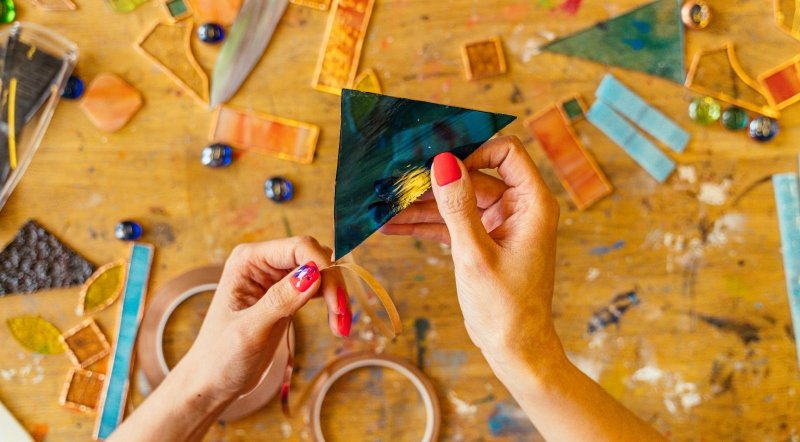
Walk through almost any local market today, scroll through small business pages on social media, or browse online craft platforms, and one thing becomes immediately clear: people are craving products that feel personal again.
For years, mass production dominated consumer culture. Fast shipping, lower prices, and endless product options made convenience the priority. But somewhere along the way, many people began feeling disconnected from the things they bought. Products started to feel temporary, repetitive, and lacking character. That shift opened the door for something different. Handmade products, especially personalized ones, began attracting attention not only because they looked unique, but because they carried meaning.
A handmade candle with a custom scent, a personalized notebook with someone’s name embossed on the cover, hand-painted mugs, custom jewelry, embroidered clothing, or tailored gift boxes all create a feeling that factory-made products often cannot replicate. They feel thoughtful. Human. Intentional. The rise of personalized handmade products is not just a passing trend. It reflects a larger change in how people think about shopping, gifting, creativity, and emotional connection. Today, customers are increasingly choosing products that tell stories rather than simply filling practical needs.
People Want Products That Feel More Human
One of the biggest reasons personalized handmade products have become so popular is emotional value. Mass-produced items are everywhere. Two people living in completely different countries can own the exact same product ordered from the same large retailer. While convenient, that experience often feels impersonal. Handmade products create a stronger emotional connection because they feel unique from the moment they are received.
A hand-knitted scarf made in someone’s small workshop carries a different emotional weight than something purchased from a large chain store. A custom illustration designed specifically for a customer feels more memorable because it reflects personal attention and creativity.
People increasingly want purchases that feel connected to real individuals rather than anonymous manufacturing systems. This is especially true for gifts. Personalized, handmade items often communicate thoughtfulness in ways generic products cannot. Customers feel like they are giving something meaningful rather than simply completing a transaction. That emotional connection has become incredibly valuable in modern consumer culture.
Social Media Changed Everything for Handmade Businesses
Years ago, many talented creators struggled to reach large audiences unless they sold products through local markets or expensive retail partnerships. Social media changed that completely.
Platforms like Instagram, TikTok, Pinterest, and Etsy allowed small handmade businesses to showcase their products directly to customers around the world. Suddenly, creators could build communities around their work without needing massive budgets. This visibility helped consumers appreciate the craftsmanship behind handmade products. Instead of only seeing the final item, customers now watch creators design, paint, sew, package, and personalize products in real time. That transparency builds trust. People enjoy supporting businesses when they can see the human effort behind the product. Watching someone carefully create handmade jewelry or customize a product order often makes customers feel emotionally invested in the business itself.Small creators also learned how to tell stories visually. Many now use simple branding tools and creative brochure design materials to present their products professionally online and at local events without needing expensive agencies. The internet gave handmade creators something incredibly powerful: visibility.
Personalization Creates Stronger Customer Loyalty
Modern customers have more product choices than ever before. As a result, businesses constantly compete for attention. Personalization helps small handmade businesses stand out because it creates experiences customers remember. Adding custom names, colors, messages, or designs lets customers feel involved in the creation process. Instead of purchasing a generic product, they become part of shaping it. That participation strengthens loyalty. A customer who receives a personalized item often feels emotionally connected to both the product and the creator behind it. Many return for future purchases because the experience felt more meaningful than standard online shopping.
Small handmade businesses frequently grow through word-of-mouth for this exact reason. People love sharing products that feel unique. Someone receiving a personalized, handmade birthday gift is far more likely to post it online or recommend the creator to friends compared to a standard mass-produced item. This organic marketing becomes one of the strongest growth drivers for creative businesses.
Handmade Products Reflect Individual Identity
Another reason personalized products continue growing in popularity is self-expression. People increasingly want the items they buy to reflect their personality, interests, and values. Customized products allow customers to express individuality in a world where many products feel identical. A personalized tote bag with custom artwork, a handmade phone case featuring a favorite quote, or a custom home decor piece can feel like an extension of personal identity rather than just another purchase.
This desire for individuality has become especially important among younger consumers who value uniqueness and authenticity. Customers no longer want only practical products. They want products that represent who they are. Handmade creators are uniquely positioned to provide that level of individuality because their production processes are often more flexible than those of large manufacturers.
Technology Helped Handmade Businesses Grow
Interestingly, technology has actually strengthened the handmade movement instead of replacing it. Digital tools now help creators manage orders, communicate with customers, design products, and market their businesses more efficiently. A handmade business owner can now run an online store, process international payments, organize shipping, create promotional content, and communicate with customers from a laptop or even a smartphone.
This accessibility allows creators to spend more time focusing on craftsmanship while still operating professionally. Many creators also use digital tools to improve visual presentation. Whether they are preparing product packaging, social media content, or promotional materials for local craft fairs, tools that simplify brochure design and branding help smaller businesses compete visually with larger companies. Technology made it easier for handmade businesses to appear polished while maintaining their authenticity.
Customers Are Becoming More Intentional About Shopping
Consumer behavior has also changed significantly in recent years. Many people are becoming more mindful about where their money goes. Instead of purchasing large quantities of cheap products, some customers now prefer buying fewer items with higher emotional or creative value. Supporting handmade businesses often feels more ethical and personal.
Customers know they are supporting individual artists, small families, or independent entrepreneurs rather than giant corporations. There is also growing awareness around sustainability. Handmade products are often produced in smaller quantities, use more thoughtful materials, and generate less waste than mass-produced goods. While not every handmade business is automatically sustainable, many customers associate handcrafted items with slower, more intentional consumption. This mindset aligns with broader cultural movements focused on quality over quantity.
Handmade Businesses Thrive on Storytelling
One thing many successful handmade businesses understand deeply is storytelling. People do not only buy products. They buy meaning, emotion, and connection. Customers love hearing why a creator started their business, what inspires certain designs, or how products are made. A handmade ceramic mug becomes more meaningful when customers know the artist carefully shapes and glazes each piece individually. A custom embroidery project feels more valuable when buyers understand the hours of detail involved. Storytelling transforms products into experiences.
This emotional layer is difficult for mass-produced brands to replicate because handmade businesses naturally have more personal stories behind their work. The rise of personalized handmade products is really the rise of emotional commerce.
Challenges Still Exist for Handmade Creators
Of course, running a handmade business is not always easy. Many creators struggle with pricing because customers sometimes compare handmade work to cheaper factory-made alternatives without understanding the labor involved. Managing custom orders can also become overwhelming as businesses grow. Balancing creativity with deadlines, customer communication, shipping logistics, and marketing requires significant effort. Burnout is common among small creators who try to handle every aspect of the business alone.
Still, despite these challenges, the demand for personalized handmade products continues growing because customers genuinely value authenticity. People increasingly recognize the difference between something created thoughtfully and something produced endlessly in bulk.
Conclusion
The rise of personalized handmade products reflects a deeper shift in modern consumer behavior. People are searching for connection, meaning, individuality, and authenticity in the things they buy. Handmade creators offer something many mass-produced brands cannot fully replicate: emotional value.
Whether it’s custom jewelry, personalized gifts, handcrafted home decor, or creative art pieces, these products feel more personal because they carry the attention, creativity, and identity of the people who make them. Technology and social media have helped small creators reach larger audiences than ever before, while tools for branding, content creation, and brochure design continue making it easier for handmade businesses to present themselves professionally.
At its core, the handmade movement reminds people that products can still feel human. And in a world increasingly driven by automation and speed, that human touch has become more valuable than ever. For more details, Click here