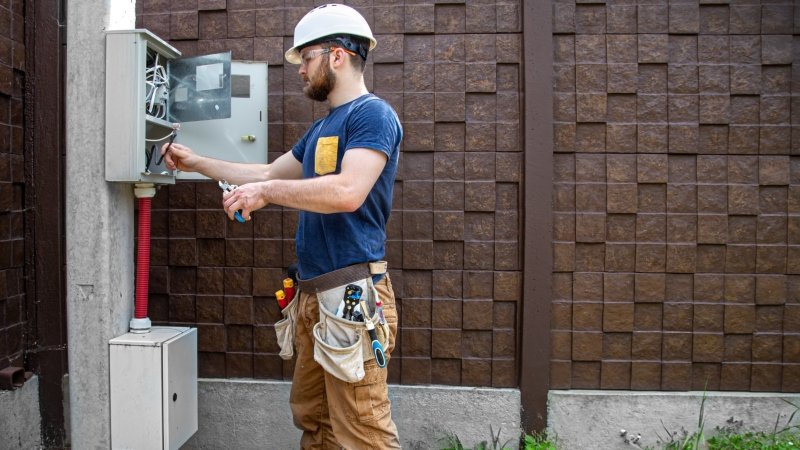
Taking on a home improvement project can be one of the most rewarding things a homeowner does. Whether you’re installing a ceiling fan, upgrading your kitchen backsplash, or renovating a bathroom, the sense of accomplishment when you complete a project with your own hands is hard to beat. But there’s one element of home improvement that many DIY enthusiasts underestimate — electricity.
Understanding even the basics of your home’s electrical system isn’t just useful. It can be the difference between a successful project and a dangerous one. Here’s why electrical knowledge should be part of every DIYer’s toolkit — no matter what project you’re tackling.
Your home’s electrical system is everywhere
Modern homes are wired from top to bottom. Even projects that seem entirely non-electrical — like installing a new shelf, tiling a wall, or knocking down a partition — can intersect with wiring hidden inside your walls. Cutting into a live wire accidentally is not just a project-stopper; it’s a genuine safety hazard.
Before you drill, saw, or chisel into any wall, ceiling, or floor, you should have a basic understanding of where circuits typically run, where your breaker box is located, and how to safely switch off the power to a specific area of your home. A simple cable detector (stud and wire finder) costs very little and can prevent a very costly — or dangerous — mistake.
Reading a circuit is a fundamental skill
Many DIY projects involve adding or replacing outlets, switches, and light fixtures. These tasks aren’t terribly complex, but they do require you to understand how circuits work. Every circuit has a live wire, a neutral wire, and usually an earth wire. Mixing these up — even once — can cause a short circuit, trip your breaker, damage your appliances, or worse, create a fire risk.
Learning to use a multimeter, identify wire colours, and understand the difference between single-pole and double-pole circuits takes an afternoon of reading. But that knowledge will serve you across dozens of future projects and help you communicate clearly with professionals when a job is beyond your scope.
Important: In Australia, electrical work beyond basic replacements typically requires a licensed electrician. If you’re unsure whether your project crosses that line, always consult a professional before proceeding.
Knowing your limits keeps you and your home safe
One of the most valuable outcomes of electrical education isn’t learning how to do more — it’s learning when not to do something yourself. Some tasks are legally required to be performed by a licensed tradesperson in many regions. These include connecting to the main switchboard, installing new circuits, and any work inside the meter box.
A homeowner in Wollongong recently shared how a basic understanding of their home’s wiring helped them identify a faulty circuit before it caused damage — and also helped them explain the issue clearly when they called a residential electrician Wollongong to handle the switchboard repair safely and efficiently. Knowing the basics meant they could advocate for themselves, understand the quote, and verify the work was done correctly.
Electrical knowledge saves you time and money
Diagnose before calling
Check breakers, test outlets, and rule out simple issues before calling a tradesperson.
Plan projects better
Know which circuits serve which rooms so you can plan renovations around existing infrastructure.
Communicate with pros
Speak confidently with tradespeople, understand quotes, and avoid unnecessary upsells.
Inspect finished work
Spot issues after a job is done — loose fittings, improper earthing, or code violations.
Smart home upgrades demand smarter DIYers
The modern home is increasingly connected — smart switches, USB power outlets, EV charging points, solar inverters, and home automation hubs are all becoming standard DIY wishlist items. These technologies blur the line between IT and electrical work. Without a foundational understanding of volts, amps, and load capacity, you risk overloading circuits, voiding warranties, or creating compatibility issues that are expensive to undo.
Even installing a smart light switch requires you to know whether your wall box has a neutral wire — something a surprising number of older Australian homes lack. This is the kind of detail that only makes sense once you’ve taken the time to understand how a circuit actually works.
Where to start building your electrical knowledge
You don’t need to become an electrician. But investing a few hours in the following areas will pay dividends across every home improvement project you undertake:
Learn your home’s layout. Walk your property with the breaker box labelled and a notepad. Know which breaker controls which area of your home. Understand wire colours. In Australia, active is typically brown or red, neutral is blue or black, and earth is green/yellow. These standards matter. Invest in basic tools. A non-contact voltage tester, a multimeter, and a cable/stud detector are inexpensive and invaluable. Know the rules. Familiarise yourself with what work requires a licensed electrician in your state or territory.
The bottom line
Home Improvement Project is empowering, cost-effective, and deeply satisfying. But electricity demands respect. The good news is that a little knowledge goes a long way — not just in keeping you safe, but in making you a more capable, confident, and informed homeowner. Learn the basics, know your limits, and never hesitate to bring in a professional for work that’s beyond your scope. Your home — and everyone in it — will thank you. For more details. Click here