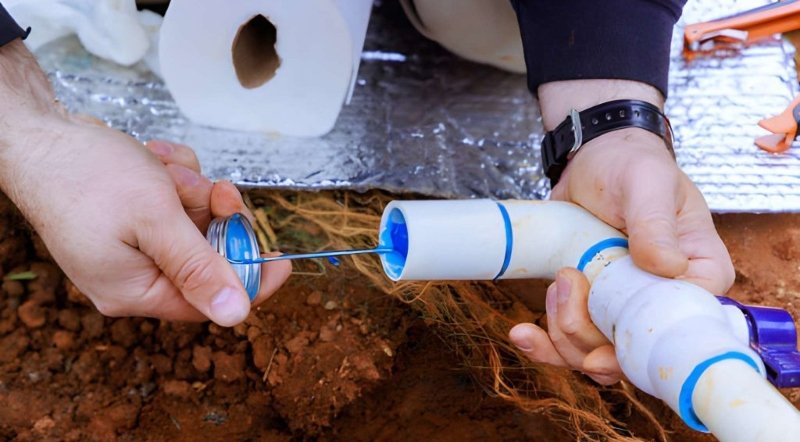
Underground plumbing repairs were once associated with major excavation work, lengthy project timelines, and expensive property disruption. Traditional methods often required digging through driveways, landscaping, flooring, or concrete structures simply to access damaged pipes. However, advancements in modern repair technologies and materials have dramatically changed the industry. Innovations such as pvc pipe relining systems are helping contractors repair underground plumbing faster, more efficiently, and with far less disruption than older repair approaches ever allowed.
Traditional Underground Repairs Were Extremely Disruptive
Older plumbing repair methods relied heavily on excavation to remove and replace damaged pipe sections.
Digging Added Significant Labor Costs
Traditional repairs often involved:
- Excavation equipment
- Concrete cutting
- Soil removal
- Demolition work
- Site restoration
The actual pipe replacement was often only one part of a much larger and more expensive process.
Property Damage Increased Overall Expenses
Repair projects frequently disrupted:
- Landscaping
- Driveways
- Interior flooring
- Parking areas
- Outdoor structures
Restoring these areas after repairs could add substantial time and cost to the overall project.
Modern Pipe-Repair Materials Changed the Industry
The introduction of advanced relining materials has transformed how underground plumbing systems are repaired.
Repairs No Longer Always Require Excavation
Modern relining methods allow technicians to repair many damaged pipes internally rather than removing them entirely.
This process significantly reduces the need for:
- Large trenches
- Structural demolition
- Heavy machinery access
- Surface reconstruction
As a result, repairs can often be completed much faster.
Flexible Materials Adapt to Existing Pipes
Newer repair materials are designed to work within existing underground systems, even in difficult access locations.
This flexibility allows contractors to repair:
- Cracked pipes
- Corroded sections
- Root intrusion damage
- Minor structural failures
without extensive excavation work.
Faster Repairs Reduce Operational Disruption
One of the biggest advantages of modern pipe-repair materials is the reduction in project duration.
Less Construction Means Shorter Timelines
Traditional excavation projects could take days or even weeks depending on:
- Pipe depth
- Site accessibility
- Structural complexity
- Restoration requirements
Modern relining systems often reduce project timelines significantly because there is less physical disruption involved.
Businesses and Households Return to Normal Sooner
Faster repairs help minimize:
- Business downtime
- Tenant disruption
- Traffic obstruction
- Property access limitations
- Daily inconvenience
This improved efficiency is one reason trenchless plumbing methods have become increasingly popular.
Modern Materials Improve Pipe Durability
New repair technologies are not only faster — they are also designed to provide long-term structural performance.
Corrosion Resistance Is a Major Advantage
Older underground pipes were commonly made from materials vulnerable to:
- Rust
- Corrosion
- Chemical damage
- Root intrusion
- Joint separation
Modern relining materials are often highly resistant to these problems.
Internal Pipe Surfaces Become Smoother
New lining materials create smoother internal surfaces that can improve water flow and reduce buildup within the system.
This may help reduce:
- Future blockages
- Debris accumulation
- Flow restrictions
- Internal wear
Improved performance contributes to longer-lasting plumbing systems overall.
Labor Requirements Have Changed
Advanced repair materials have also changed how plumbing labor is managed.
Smaller Crews Can Complete Repairs
Because modern trenchless methods require less excavation and restoration work, many projects can be completed with:
- Fewer workers
- Less heavy equipment
- Reduced site preparation
- Simpler logistics
This contributes to lower overall labor costs in many situations.
Specialized Skills Replaced Heavy Demolition
Modern plumbing contractors increasingly rely on:
- CCTV inspections
- Pipe-cleaning systems
- Relining equipment
- Resin application techniques
rather than purely excavation-focused work.
This shift has made underground plumbing repair more technical and efficient.
Urban Areas Benefit Significantly
Dense urban environments have especially benefited from modern underground repair materials.
Excavation Is More Difficult in Cities
Urban plumbing systems often run beneath:
- Roads
- Multi-story buildings
- Parking structures
- Utility corridors
- Public pathways
Excavation in these areas can become highly expensive and disruptive.
Trenchless Methods Reduce Public Disruption
Modern relining systems help minimize:
- Traffic interruptions
- Noise pollution
- Public safety risks
- Access restrictions
This is particularly valuable in busy commercial and residential districts. Visit HMCDGaming Esports Guide by Harmonicode for further details.
Environmental Impact Has Been Reduced
New pipe-repair materials also support more environmentally responsible plumbing practices.
Less Excavation Produces Less Waste
Traditional pipe replacement generates:
- Soil displacement
- Concrete waste
- Material disposal
- Increased fuel consumption
Modern trenchless systems significantly reduce this environmental impact.
Existing Infrastructure Can Be Preserved
Rather than removing entire underground systems, relining technologies extend the usable lifespan of existing pipes.
This reduces:
- Resource consumption
- Material waste
- Large-scale replacement requirements
making repairs more sustainable overall.
Property Owners Save on Restoration Costs
One major hidden expense in traditional underground plumbing repairs was surface restoration.
Landscaping and Structural Repairs Add Up Quickly
Excavation projects often required additional repairs to:
- Gardens
- Driveways
- Tiled surfaces
- Interior flooring
- Outdoor spaces
Modern trenchless methods help avoid many of these secondary costs.
Preserving Property Appearance Matters
Homeowners and commercial property managers increasingly value repair methods that protect:
- Visual presentation
- Functional outdoor areas
- Interior finishes
- Existing infrastructure
This makes less invasive repair methods highly attractive.
Technology Improved Diagnostic Accuracy
Modern repair materials work alongside improved inspection technologies.
CCTV Systems Help Identify Problems Earlier
Advanced camera inspections allow plumbers to locate:
- Cracks
- Corrosion
- Root intrusion
- Blockages
- Pipe collapse risks
with far greater accuracy than older methods.
Targeted Repairs Reduce Unnecessary Work
Instead of replacing entire pipe systems, contractors can often repair only the affected sections.
This targeted approach reduces:
- Project scope
- Material use
- Labor requirements
- Repair costs
while improving overall efficiency.
Commercial Properties See Major Benefits
Commercial building owners increasingly rely on trenchless repair methods because operational continuity is extremely important.
Business Disruption Is Costly
Excavation projects can affect:
- Customer access
- Parking availability
- Tenant operations
- Workplace productivity
Modern pipe-repair materials help businesses maintain functionality during repairs.
Faster Repairs Improve Financial Stability
Reduced downtime means businesses can continue operating with fewer interruptions, minimizing revenue losses and operational stress.
Future Repair Costs Become More Predictable
Advanced materials are designed for long-term reliability, helping property owners manage infrastructure costs more effectively.
Longer Lifespan Reduces Repeat Repairs
Durable relining systems may reduce the frequency of future underground plumbing failures.
This helps property owners:
- Plan maintenance budgets
- Avoid emergency repairs
- Extend infrastructure lifespan
more effectively over time.
Preventative Maintenance Is Becoming More Common
Modern inspection and repair technologies encourage proactive plumbing management rather than waiting for catastrophic failures.
This shift supports more stable and cost-effective infrastructure planning.
Final Thoughts
Newer pipe-repair materials have dramatically changed the time, cost, and disruption associated with underground plumbing repairs. By reducing excavation requirements, improving repair speed, and extending pipe lifespan, modern relining technologies offer practical solutions for both residential and commercial properties.
As urban infrastructure continues aging and property owners seek less disruptive maintenance options, trenchless plumbing systems will likely become even more common. Modern repair materials are helping transform underground plumbing from a highly invasive repair process into a faster, cleaner, and more efficient form of infrastructure management.
Visit Inventive Lwmf Crafts for more details.