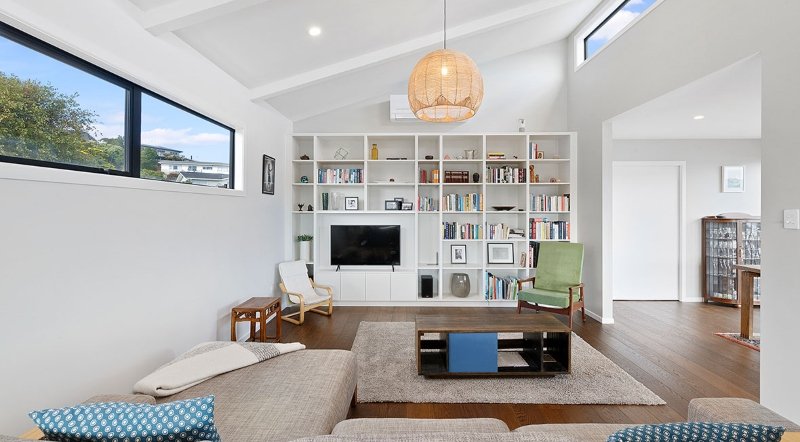
Across many Australian neighbourhoods, older family homes are being transformed to suit modern lifestyles while still preserving the charm and personality that made them special in the first place. Instead of demolishing ageing properties entirely, many homeowners are investing in thoughtful wollongong home renovations that combine updated functionality with original architectural character.
This growing approach reflects a shift in how people view renovation projects. Homeowners are no longer simply chasing modern trends — they are looking for ways to improve comfort and practicality while protecting the history and identity of their homes.
Families Want Modern Comfort Without Starting Over
Older homes often contain features that newer properties struggle to replicate, including detailed craftsmanship, unique layouts, decorative ceilings, timber finishes, and established street appeal. However, many of these homes were not originally designed for today’s family needs.
Modern households often require larger kitchens, open living spaces, additional storage, and improved energy efficiency. Rather than moving into entirely new developments, many families are choosing renovations that allow them to upgrade their living environment while remaining connected to familiar communities.
This balance between preservation and practicality has become a major focus in contemporary home design.
Character Features Are Being Preserved More Carefully
One of the most noticeable renovation trends is the effort homeowners now make to retain original architectural details wherever possible. Features such as timber flooring, decorative cornices, fireplaces, stained glass windows, and traditional facades are often restored instead of removed.
Rather than hiding a home’s age, many renovation projects now celebrate these original details as defining design elements. Preserving character features helps maintain the individuality of older properties while giving homes a stronger sense of identity. You can also see commercial builders for more details.
This approach also creates interiors that feel more layered and visually interesting compared to purely modern designs.
Open Living Spaces Are Blending Old and New
While preserving character remains important, modern renovations also focus heavily on improving flow and functionality. Older homes were often built with smaller enclosed rooms that no longer suit contemporary lifestyles.
Renovation projects increasingly involve opening up kitchens, dining areas, and living spaces to create brighter and more connected environments for families. Large windows, sliding doors, and improved indoor-outdoor access are commonly introduced while still respecting the original structure of the home.
This combination allows traditional homes to feel more spacious and adaptable without losing their original charm.
Energy Efficiency Is Becoming a Major Priority
Many older homes were constructed long before modern energy standards existed. Poor insulation, outdated windows, and inefficient layouts can make these properties expensive to heat or cool.
As a result, homeowners are now integrating energy-efficient upgrades into renovation projects without dramatically altering the appearance of the home. Improved insulation, double glazing, solar systems, and modern ventilation solutions are helping older houses perform more efficiently year-round.
This focus on sustainability allows families to enjoy historic homes while reducing long-term energy costs.
Renovations Are Helping Families Stay in Established Communities
Location remains one of the strongest reasons people choose to renovate older homes rather than relocate. Established neighbourhoods often provide mature landscaping, stronger community connections, nearby schools, and better access to amenities compared to newer developments.
Many families prefer upgrading their existing homes instead of leaving communities where they already feel connected. Renovations make it possible to improve living conditions without sacrificing the lifestyle benefits that older neighbourhoods provide.
This emotional attachment to location is driving many long-term renovation decisions.
Multi-Generational Living Is Influencing Design
Changing family structures are also shaping how older homes are renovated. More households are now accommodating extended family members, older parents, or adult children within the same property.
Renovations increasingly include flexible living spaces, secondary bedrooms, private retreats, or self-contained areas that support multi-generational living arrangements.
Older homes often provide larger block sizes and adaptable layouts that make these changes easier compared to many modern builds.
Modern Materials Are Enhancing Older Structures
Advancements in building materials and construction methods are helping homeowners modernise ageing properties more effectively than ever before. Renovators can now strengthen structures, improve durability, and update interiors while still maintaining traditional design elements.
Modern finishes are often blended carefully with original materials to create homes that feel both timeless and contemporary. This balance allows renovations to improve comfort and practicality without making older homes lose their unique personality.
The result is often a more refined and highly customised living environment.
Outdoor Areas Are Becoming More Functional
Another major focus in modern renovations is improving outdoor living spaces. Older homes sometimes feature underutilised backyards or limited connection between indoor and outdoor areas.
Renovation projects frequently introduce alfresco dining zones, decks, landscaped gardens, and entertaining spaces that better suit modern family lifestyles. Improved outdoor integration helps older homes feel larger, brighter, and more adaptable for social gatherings.
This connection between indoor comfort and outdoor living has become an essential part of contemporary renovation planning.
Renovation Is Now About Storytelling
Many homeowners are beginning to see renovation as more than a simple construction project. Preserving older homes often carries emotional significance because these properties hold family memories, architectural history, and local character.
Rather than erasing the past, modern renovations are increasingly focused on continuing the story of a home while preparing it for future generations. This mindset has changed how architects, designers, and homeowners approach restoration and redesign projects.
The goal is no longer perfection alone — it is creating homes that feel authentic, functional, and deeply personal.
The Future of Character Home Renovations
As housing preferences continue evolving, older family homes are likely to remain highly valued for their individuality and long-term potential. Thoughtful renovations are allowing homeowners to enjoy modern convenience while preserving the charm and personality that make traditional properties so appealing.
By combining contemporary functionality with original design features, families are creating homes that feel both timeless and suited to modern living. This balance between heritage and innovation is shaping a new era of residential renovation across many established communities. For more details, Click here