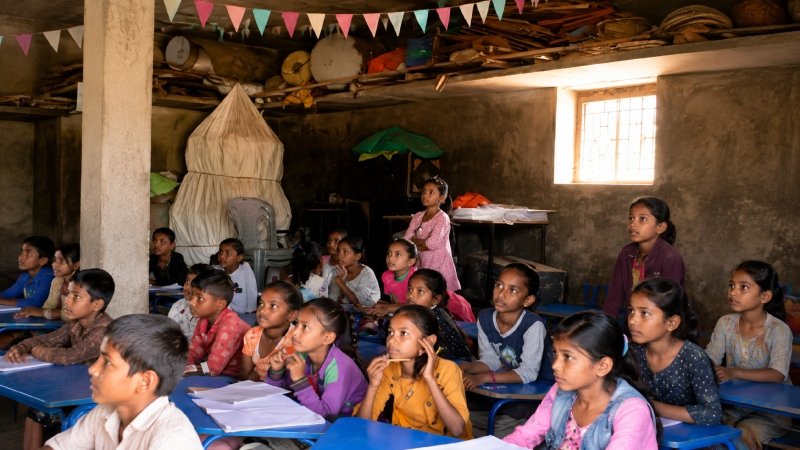
Emergency assistance helps young people survive conflict, but rebuilding a future requires opportunities that last long after the crisis has passed. Vocational training for youth in conflict zones equips young people with practical skills, improves their employment prospects, and supports long-term independence, making it an important part of sustainable recovery.
Many charity groups in Canada work alongside local organizations to support education, livelihood initiatives, and skills development that help conflict-affected youth prepare for employment or self-employment. Rather than creating dependency, these programs focus on equipping young people with the knowledge and opportunities to build resilient futures within their own communities. The United Nations High Commissioner for Refugees (UNHCR) recognizes livelihoods and economic inclusion as essential for helping displaced people become more self-reliant and contribute to local economies.
What Is Vocational Training?
Vocational training is career-focused learning that prepares people for specific jobs, trades, or self-employment. In humanitarian settings, it often combines technical instruction with life skills, financial literacy, entrepreneurship, and career guidance to help young people transition into sustainable livelihoods.
According to UNICEF, developing transferable and employment-related skills helps adolescents successfully navigate education, work, and civic participation while improving their long-term opportunities.
Why Vocational Training for Youth in Conflict Zones Matters
Conflict can interrupt education, displace families, and reduce access to employment opportunities. As young people grow older, many face the challenge of entering adulthood without the practical skills or work experience needed to earn a stable income.
Vocational training helps bridge this gap by preparing youth for local labour markets while strengthening confidence, adaptability, and problem-solving skills. Importantly, many humanitarian programs are developed with local educators, employers, and community organizations to ensure training reflects real employment opportunities and supports long-term recovery.
Five Ways Vocational Training Helps Youth Build a Future
1. It Develops Practical Skills That Match Local Employment Needs
One of the greatest strengths of skills training for refugee youth is that it focuses on practical, market-relevant skills rather than theory alone. Programs are often designed around the needs of local economies, helping participants prepare for careers that can provide long-term income.
Depending on the region, vocational training may include:
- Digital literacy and computer skills.
- Mobile phone and electronics repair.
- Solar panel installation and basic electrical work.
- Tailoring, carpentry, and construction trades.
- Agriculture and food production.
- Small business and entrepreneurship training.
By aligning training with local labour markets, participants are better prepared to find employment or start small businesses that contribute to community recovery. UNHCR notes that livelihoods programs improve self-reliance by helping displaced people gain the skills and opportunities needed to participate in local economies.
2. It Expands Youth Employment in Conflict Zones
For many young people, conflict creates significant barriers to entering the workforce. Schools may close, businesses may struggle to operate, and local economies often take years to recover.
Vocational training helps address these challenges by building employability through technical skills, work readiness, and career guidance. Some programs also support internships, apprenticeships, or entrepreneurship, creating multiple pathways into employment where formal jobs are limited.
The benefits extend beyond earning an income. Employment enables young people to:
- Support themselves and their families.
- Reduce long-term dependence on humanitarian assistance.
- Gain valuable workplace experience.
- Contribute to rebuilding the local economies.
3. It Builds Confidence Through Transferable Skills
Technical expertise is only one part of preparing young people for the future. Successful vocational programs also strengthen the transferable skills that employers, communities, and entrepreneurs rely on every day.
Alongside technical training, many programs help participants develop:
- Communication and teamwork.
- Leadership and decision-making.
- Critical thinking and problem-solving.
- Financial planning and workplace responsibility.
- Adaptability in changing environments.
These skills help young people navigate future challenges while increasing their confidence to pursue employment, continue learning, or start their own businesses. UNICEF emphasizes that transferable skills play a key role in helping adolescents become active participants in their communities and prepare for lifelong learning and employment.
4. It Strengthens Families Through Economic Empowerment Programs
When young people can earn a stable income, the positive effects often extend to their families and communities. In many conflict-affected settings, youth contribute to household expenses, support younger siblings’ education, and help reduce financial pressures that have grown during displacement or prolonged crises.
This is why many economic empowerment programs go beyond vocational instruction. They combine technical training with practical support that helps participants apply their new skills and build sustainable livelihoods.
These initiatives may include:
- Financial literacy and budgeting.
- Entrepreneurship and business planning.
- Savings groups and income-generation activities.
- Career coaching and mentorship.
- Job placement or apprenticeship opportunities.
Rather than focusing only on employment, these programs encourage long-term financial independence and resilience. The International Labour Organization (ILO) highlights that integrating skills development with entrepreneurship and employment support helps improve access to decent work while promoting inclusive economic growth.
5. It Helps Communities Recover Through Livelihood Programs for Displaced Youth
Sustainable recovery depends on strong local communities as much as on individual success. As more young people gain practical skills and employment opportunities, local businesses benefit from a more capable workforce, entrepreneurship increases, and families become better positioned to rebuild their lives.
Many livelihood programs for displaced youth are designed and delivered in partnership with local organizations, educators, employers, and community leaders. This locally led approach helps ensure training reflects regional labour market needs, cultural contexts, and long-term economic priorities rather than short-term external solutions.
The World Bank notes that investing in jobs, skills, and livelihoods is a key driver of recovery in fragile and conflict-affected settings because it supports economic participation and strengthens resilience over time.
Closing Thoughts
Helping young people recover from conflict requires more than meeting immediate needs. Once safety, education, and emotional well-being have been restored, opportunities to learn practical skills become an essential next step toward long-term recovery.
Expanding access to vocational training for youth in conflict zones gives young people the knowledge, confidence, and experience needed to pursue meaningful employment, strengthen their families, and contribute to their communities. By investing in skills training for refugee youth, supporting youth employment in conflict zones, expanding economic empowerment programs, and strengthening livelihood programs for displaced youth, humanitarian organizations and local partners can help transform recovery into lasting opportunity.
Vocational training does more than prepare young people for work. It empowers them to build independent futures, strengthens local economies, and supports more resilient communities long after conflict has ended.