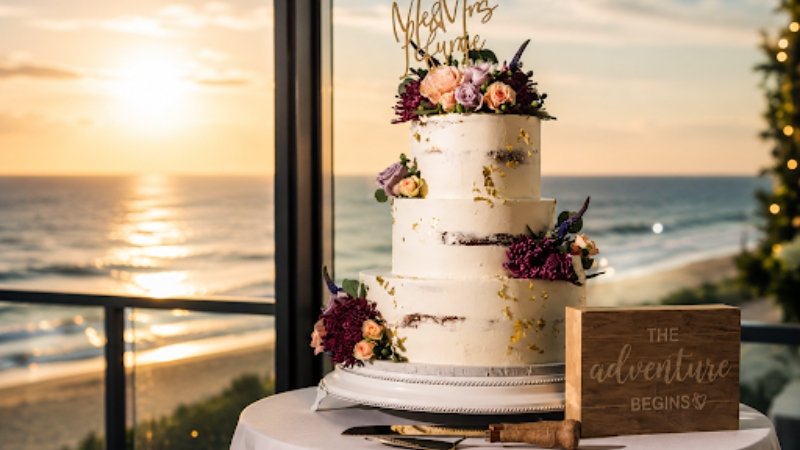
Creating a memorable celebration often starts with the sweet details you present to your guests. From the main event cake to the delicate small bites, a thoughtful layout transforms a simple treat corner into a beautiful focal point that reflects your personal style. Planning ahead allows you to mix and match flavors while ensuring the visual appeal remains high for every visitor.
Designing a stunning dessert table
A well-designed dessert table serves as the heart of any party, pulling together different textures and sights into one inviting space. By focusing on scale, light, and placement, you can guide your guests naturally toward the delicious options provided. Start by choosing a central theme that dictates your layout to keep the display from looking visually chaotic.
Establishing a cohesive color palette
Picking a primary color scheme helps tie every dessert together so the table looks intentional rather than scattered. You can start by choosing one or two base colors and then adding a variety of shades that complement your main theme. Using varied hues for your frosting and packaging creates a professional layer of depth that makes every tray pop. This small step ensures that everything from the napkins to the cake toppers feels like part of a unified visual narrative.
Using height and levels for visual interest
Flat displays can often feel uninspired or hard to navigate during a busy gathering. Incorporating cake stands, wooden crates, or tiered risers allows you to draw the eye upward and utilize the full space of your table. Placing smaller confections at different elevations makes the entire spread feel more luxurious and accessible for guests to browse. This technique prevents the table from looking cramped while adding dramatic visual layers to your setup.
Selecting the perfect table arrangement and space
The physical location of your dessert table determines how easily your friends and family interact with the food during the celebration. You want to make sure there is enough room for people to move around the table comfortably without spilling or bumping into others. Positioning your table against a wall or in a central area creates a defined hub that encourages guests to gather and mingle while they choose their favorites. A clear flow of traffic helps ensure that every guest has a chance to sample the treats without feeling rushed.
Incorporating decorative elements that match your theme
Adding personal touches like floral arrangements, themed confetti, or specialized linens complements the sweets on display. These subtle additions help anchor the dessert table as part of the overall party decor rather than just a separate food station. Choosing decor that reflects the mood of your event signals to attendees that you have carefully curated every aspect of their experience. Keeping these elements consistent with your invitations or venue colors makes the transition from dinner to dessert feel completely natural.
How to choose a birthday cake as your focal point
The cake is typically the most photographed item at any celebration, so finding the right one is essential for building a lasting memory. When you think about how to choose a birthday cake, consider both the visual impact and the flavor profile that will resonate most with your audience. Working with a skilled local bakery like Cakes D’ Sabores helps ensure that your vision is executed with fresh ingredients and professional craftsmanship. A well-chosen centerpieces ties the room together and acts as the perfect anchor for smaller, supporting desserts.
Matching the cake design to the celebrant’s personality
A birthday cake serves as a reflection of the person being honored, which is why personalization is the key to creating a truly special moment. You might opt for a design that incorporates their favorite hobbies, colors, or interests to make the dessert feel intimate and deliberate. Selecting a style that harmonizes with their character shows a level of thought that guests will certainly notice when it is time to sing and celebrate. Whether you prefer something elegant or playful, the design should always prioritize the individual being recognized.
Determining the right cake size for your specific headcount
It is easy to overestimate or underestimate the amount of food you need, but sizing your cake based on the confirmed guest list avoids unnecessary waste. Most bakeries can provide serving estimates based on how many people are attending to ensure no one misses out on a slice. Having a target portion count helps you decide if a single-tier cake is enough or if a multi-tiered creation will better suit your celebration. Focusing on the math beforehand keeps your party planning stress-free and leaves enough room for everyone to enjoy a second dessert if they choose.
Selecting cake flavors that pair well with secondary desserts
While the cake is your star, the flavors should ideally complement the smaller treats laid out around it on the table. If you are serving something rich like a brownie or a cookie, choosing a lighter, balanced flavor for the main cake prevents the experience from feeling too heavy. Think about how the notes of vanilla, chocolate, or fruit will blend when guests enjoy a variety of items throughout the evening. A balanced flavor board keeps your guests coming back for more without overwhelming their taste buds.
Balancing elaborate design goals with your overall budget
Custom cakes can vary widely in price depending on the complexity of the art and the ingredients involved. You do not need to sacrifice style for cost, as many beautiful designs can be scaled down or simplified while still making a strong visual statement. Consulting with the team at Cakes D’ Sabores allows you to explore design options that align with your financial goals while still delivering a high-quality product. Being clear about your budget upfront helps to avoid surprises and ensures you get the most impact for your celebration.
Selecting complementary cookies and pastries
A diverse array of cookies and pastries adds a fun, casual element to your event that encourages people to grab a quick treat. These smaller items allow guests to pace their snacking during a long party without having to commit to a full slice of cake. Offered alongside a best tres leches cake, these handheld bites create a dynamic range of choices that can appeal to every guest. Variety is the secret to a happy crowd, especially when you consider different flavor profiles and textures.
Offering a variety of contrasting textures for your guests
When planning your menu, aim for a mix of soft, creamy, crunchy, and chewy options so every bite feels distinct. Serving cookies with a satisfying snap alongside tender pastries ensures that no two desserts feel repetitive as guests move through the buffet. Changing up the texture in your display makes the snacking experience much more engaging and prevents the table from feeling one-note. Guests tend to gravitate toward tables that offer a wide spectrum of mouthfeels and styles.
Incorporating bite-sized finger foods for easy mingling
Finger foods are perfect for a social environment, particularly if your event involves a lot of standing, dancing, or moving between rooms. Small, easy-to-hold desserts mean people can hold a plate in one hand and a drink in the other while still enjoying a sweet taste. Designing your dessert menu around ease of consumption helps guests stay relaxed and comfortable throughout the celebration. These mini-portions are ideal because they minimize crumbs and mess, letting your friends focus on the conversation.
Utilizing seasonal ingredients for a fresh, festive appeal
Seasonal items not only taste better when they are picked at their peak, but they also bring a sense of time and place to your gathering. Using local fruits or specific spices that match the time of year adds an extra layer of seasonal charm to your presentation. Seasonal treats act as a conversation starter and show that you have taken care in sourcing the best flavors for your specific date. Whether it is summer berries or warm winter spices, you should always aim for ingredients that shine.
Customizing shapes and icing colors to fit the party theme
Themed shapes and colors help solidify your party decor, making every small pastry feel like it was made specifically for your event. You can easily coordinate your cookie icing or pastry decorations to match the overall color palette of your balloons and table runners. Uniformity in design makes a dessert table look incredibly cohesive and professional even if you are working with a mix of different sweets. Small details like these prove that your planning skills are top-tier.
Celebrating with international favorites like brigadeiros
Including cultural staples like brigadeiros introduces a rich, international flair that is often a welcome surprise for guests. These traditional chocolate confections are popular for their velvety texture and ability to pair perfectly with other sweets. Since Cakes D’ Sabores offers such a diverse selection of baked goods, integrating these international favorites is a simple way to elevate your menu. They bring a touch of global sophistication to any local event.
Understanding the cultural appeal of traditional chocolate brigadeiros
These smooth, fudge-like treats are a classic staple that carries weight and flavor in every tiny sphere. Their history as a beloved party highlight makes them an essential element for hosts who want to share a piece of tradition with friends and family. Their popularity comes from their deep, comforting chocolate flavor that satisfies the most dedicated sweet tooth immediately. Hosting with these sweets feels like a warm invitation to connect over shared enjoyment.
Experimenting with modern and gourmet flavor variations
While the classic chocolate version is a legend, modern twists allow you to experiment with colors and fillings that fit your specific aesthetic. You can roll these treats in everything from crushed nuts to edible gold or zest to create a wider visual range. These variations do not compromise the original quality but rather add a layer of personal creativity that your guests will admire. Bringing in new flavors keeps your dessert menu feeling original and exciting for repeat visitors.
Arranging brigadeiro trays for an elegant, professional presentation
Because these treats are so small, they look their best when arranged in neat, orderly rows or stacked in stylish crystal dishes. Using high-quality liners that match your color scheme provides an extra bit of polish to the overall presentation on your table. A clean, well-spaced arrangement ensures that each brigadeiro looks like a handcrafted piece of art, which is the perfect way to display their craftsmanship. Professional-looking trays suggest that every portion was prepared with exceptional care.
Pairing smooth confections with crunchy, contrasting treats
Because brigadeiros have a very specific, creamy consistency, they pair perfectly with something crunchy like a crisp sugar cookie or a light puff pastry. Creating these pairings on the table encourages guests to try two items at once, which is a great way to maximize your dessert inventory. The meeting of a soft, melting center and a firm, buttery crust creates a balanced sensory experience. This strategy helps maintain guest interest and ensures each item on your table has a purpose.
Balancing diverse flavors and dietary needs
A thoughtful host always considers the varied tastes and potential restrictions of their guests to ensure everyone can participate in the fun. Providing a good range of options means no one feels left out when the dessert course is finally served. By mixing traditional decadent recipes with inclusive varieties, you ensure that every participant feels genuinely welcomed. A versatile spread is the hallmark of a successful party planner.
Providing inclusive options for gluten-free and vegan guests
Offering desserts that accommodate specific health or lifestyle requirements is a modern necessity for any well-planned party. You do not need to make everything vegan or gluten-free, but having an easily labeled section ensures that those with restrictions have something delicious to enjoy. Clearly marking your ingredients allows gluten-free and vegan guests to relax and enjoy the sweets alongside everyone else. Inclusion is about anticipating needs before the party even begins.
Mixing rich, decadent sweets with lighter, fruit-based bites
Balancing intense chocolate indulgence with fresh fruit or light pastries makes your table feel healthier and more refined. Some guests prefer a massive sugar hit, while others find complete satisfaction in a fresh berry tart or a light citrus mousse. Providing this variety keeps your table from feeling too heavy and ensures that guests of all appetites are satisfied. A good mix of light and dark, fruit and cocoa, makes for the best visual and culinary balance.
Managing overall sweetness levels to ensure guest satisfaction
Keeping an eye on your sugar levels prevents the table from being overwhelming so that every item remains enjoyable. If you have a very sweet main cake, consider balancing it with slightly less sugary cookies or citrus-forward pastries. The goal is to provide a journey of tastes rather than a single note of extreme sugar. This type of curation shows your guests that you have thought about the quality of the feast from start to finish.
Creating a broad range of flavor profiles to suit every palate
When you curate your table, try to offer a spectrum of flavors ranging from mild to bold. Including a zestier lemon option or a nutty caramel choice ensures that your table is not just a one-note sugar experience. A diverse flavor offering is the best way to ensure that every attendee finds something they love during your event. Thoughtful, broad planning is the sign of a true expert.
Logistical tips for serving and display
Managing the practical aspects of a dessert table is just as important as the baking itself. You want to make sure that the experience remains smooth and tidy throughout the entire duration of your event. Proper planning of traffic and temperature allows you to focus on socializing rather than fixing potential problems behind the scenes. Small, logistical changes make a world of difference for your event’s flow.
Calculating the ideal number of dessert portions per guest
Aiming for a specific number of items per person prevents the “awkward end” of the party when you either run out of food or are left with too much. Generally, planning for two to three small items per person, plus a slice of cake, covers most casual celebrations perfectly. Calculating your portions properly keeps your shopping and ordering list lean and effective. This ensures that you aren’t stuck with excessive leftovers while keeping your guests fully satisfied.
Managing indoor temperature for chocolates and creamy fillings
Temperature control is vital if you are featuring delicate items like mousse, buttercream, or chocolate-covered treats. You should ideally serve these items in an air-conditioned room and away from direct sunlight to prevent them from softening or melting. Watching the room temperature keeps your desserts looking as fresh as they did when they left the bakery. Ensuring your space is cool enough protects your display from any heat-related disasters.
Choosing between self-service displays and pre-plated options
Deciding how to distribute your dessert depends on the size of your group and the formality of your party. Self-service displays allow guests to socialize while browsing, while pre-plated options can feel more structured and formal. Choose the format that allows for the easiest movement and the least amount of congestion at your venue. Both methods work, but they change the atmosphere of the room in very different ways.
Ensuring easy guest access and flow at your event venue
The arrangement of your space dictates how your guests enjoy their desserts, so always prioritize open pathways. You should place the most popular items in areas that are easily accessible to keep lines from forming in tight corners. Making the food accessible ensures that everyone can enjoy a moment of indulgence without feeling crowded by other guests. A smooth flow makes your party feel effortlessly organized and pleasant.
Frequently Asked Questions
How long before my party should I order my dessert?
You should place your custom orders a week or two in advance to ensure the bakery has enough time to prepare everything perfectly. For more complex designs or large weddings, reaching out even earlier is usually better to secure your date.
What is the best way to transport a tiered cake safely?
Always place your cake on a flat, level surface in your vehicle, such as the floor behind the passenger seat, and keep your air conditioning running. Avoid placing it on a slanted seat or holding it on your lap, as this creates a significant risk for the structure.
Can I combine different flavors across a dessert table?
Absolutely, mixing flavors is encouraged as it provides a better experience for guests with different preferences. Just try to balance lighter citrus or fruit options with your richer chocolate or caramel treats to keep the overall experience from feeling too heavy.
Do I need to refrigerate my desserts after pickup?
Many cakes and pastries can stay at room temperature for several hours if the environment is climate-controlled, but cream-based fillings or mousses usually require refrigeration. Always ask your bakery for specific guidance on your items and make sure to have a clear plan for your event’s temperature.
Should I offer a dessert alternative for guests with allergies?
It is a wonderful gesture to provide at least one or two inclusive options, such as gluten-free cookies or vegan cupcakes, to make everyone feel welcome. Simply labeling these items clearly will help guests know exactly what they can safely enjoy.
What is the best way to handle cake leftovers?
You can store most cakes and cookies in an airtight container at room temperature for a couple of days, or freeze them for longer-term storage. For items containing mousse or fresh fruit, it is best to consume them within the first 24 hours to ensure they stay fresh.
How many desserts should I plan for per person during a cocktail style event?
For events where guests are mainly standing and mingling, focusing on two to three small, bite-sized items per person is usually sufficient. This allows them to have a variety of treats without needing a full seat or a large dessert plate. For more details, Click here