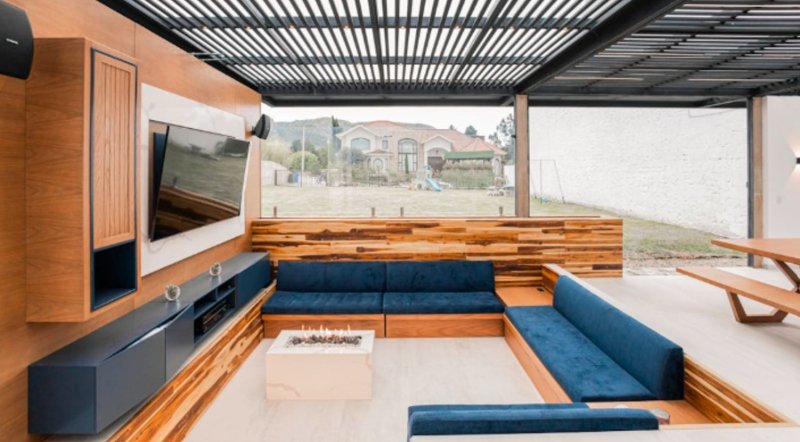
Fixed vs. Opening Rooflights: Which Option Works Best for Your Space? The choice sounds simple until the room is being used every day. Fixed glass brings light and stays shut. Opening glass brings light with fresh air. Neither is automatically better. The smarter option depends on the room, roof position, indoor heat and how people use the space.
What Are Fixed Rooflights?
Fixed rooflights are roof windows that do not open. They sit within the roof and pull daylight from above, which helps rooms where wall windows do not reach far enough. A rear extension, hallway, stairwell, dining area or internal room can feel completely different once daylight drops through the ceiling.
Their strength is simplicity. There is no handle to reach, no motor to wire and no hinge system to think about later. A well fitted fixed rooflight sits quietly in the roof and does one job well: it brightens the room.
That simple design can also help with cost. Fixed rooflights are usually more affordable because there are fewer moving parts. They can still look sharp, with slim frames, clean glass lines and strong thermal performance when specified properly.
They make most sense where ventilation is already handled elsewhere. A living room with patio doors may only need overhead daylight. A hallway may need light, not airflow. A dining room may feel more open with fixed glass while still getting enough air from nearby windows.
The limit is comfort. Fixed rooflights cannot release steam, cooking smells or trapped warm air. If a room already feels stuffy, more daylight may make it look better without fixing how it feels.
What Are Opening Rooflights?
Opening rooflights do the same daylight job, then add ventilation. They can be opened to let warm air, moisture and stale air escape from the highest point of the room. That matters because heat rises. In some rooms, the ceiling area is exactly where air gets trapped.
Homeowners often use them in kitchens, bathrooms, loft rooms, utility spaces, and busy home extensions. A kitchen can hold heat after cooking. A bathroom can collect steam. A loft room can feel heavy in summer.
Manual opening works well when the rooflight is easy to reach. Electric operation suits high ceilings, stairwells, large flat roof extensions and rooflights placed above kitchen islands.
Opening rooflights need more planning than fixed ones. Access matters. Wiring may matter. Seals and water run off need proper attention because the unit opens within the roof structure. They usually cost more too.
Key Differences: Fixed vs Opening Rooflights
The main difference is not only movement. It is purpose. A fixed rooflight solves a light problem. An opening rooflight solves a light problem plus an air problem.
That small distinction is where many homeowners make the wrong call. A dark landing may be perfect for fixed glass. A bathroom with a flat roof may need an opening unit because moisture has to go somewhere. A kitchen extension may look stunning with fixed rooflights but still feel too warm after cooking.
A simple comparison helps:
- Fixed rooflights are better for daylight only
- Opening rooflights are better for daylight and airflow
- Fixed units usually have fewer maintenance points
- Opening units give more control over heat and moisture
- Fixed rooflights often cost less upfront
- Opening rooflights need more planning around access
Fixed rooflights often have a cleaner look because there are fewer working parts. Opening rooflights may have extra frame detail, yet that trade off can be worthwhile in rooms that need ventilation.
Reach is easy to overlook. If the rooflight is too high to open by hand, a manual unit may become useless. Electric operation can solve that problem, but it should be planned early.
For anyone planning to buy skylight options, the decision should start with the room’s behaviour rather than the product photo. The best looking rooflight is not always the best living choice.
Pros and Cons of Fixed Rooflights vs Opening Rooflights
Fixed rooflights are strong when the brief is clean daylight, lower upkeep and a neat finish. They suit rooms that already breathe through windows, doors or mechanical ventilation. In those spaces, an opening feature may add cost without adding much value.
Their lower maintenance appeal is real. No opening mechanism means fewer parts to service over time. A sealed unit can also feel reassuring on a roof where the homeowner wants a clean, weather tight finish.
Still, fixed rooflights have limits. They do not help with steam after showers. They do not release hot air on warm afternoons. In a compact kitchen or bathroom, that limitation can become noticeable quickly.
Opening rooflights let warm, stale air escape from above. That makes them a better fit for busy rooms where cooking, bathing, laundry or summer heat can make the space feel heavy.
The disadvantages are cost, parts and installation detail. Moving sections need care. Electric models need power. Weather protection must be handled properly. A poor installation can create problems even when the rooflight itself is good.
The real trade off is simple. Fixed rooflights usually suit dry, calm rooms where light is the main goal. Opening rooflights suit active rooms where air, heat and moisture matter as much as daylight.
Which One Works Best for Your Space?
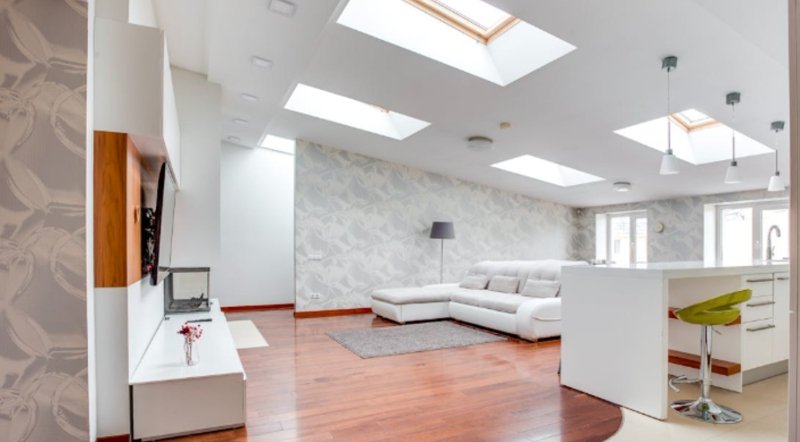
The best choice depends on how the space behaves on an ordinary day. Not in a brochure. Not when it is newly painted and empty. The real test is how it feels during cooking, after showers, in summer heat or on a dull winter afternoon.
For darker rooms that already have decent airflow, fixed rooflights usually do the job. Living rooms, stairwells, corridors and dining spaces often need more daylight, not another opening point.
Opening rooflights suit rooms that trap heat or moisture. In kitchens, bathrooms, loft conversions and south-facing extensions, fresh air is not an extra feature. It helps the room stay comfortable and protected.
Size also matters. A small room can heat up quickly. A large open plan space may need more than one rooflight or a mix of fixed and opening units. Roof direction plays a part too. South facing glass brings more warmth. North facing glass may bring softer light with less heat gain.
Budget should be realistic, but not too narrow. A fixed unit may reduce the upfront spend. An opening unit may cost more at installation, yet save years of discomfort if the room often feels stale.
A good choice usually starts with a few plain questions:
- Does the room need fresh air as much as daylight?
- Will the rooflight be easy to reach or operate?
- Is moisture already part of the problem?
- Will the space be used every day?
The answers usually make the right option much clearer.
Conclusion
Fixed vs. Opening Rooflights suit rooms that need bright natural light with simple upkeep. Opening rooflights are better where fresh air, heat release or moisture control matter. The best option is not chosen from appearance alone. The right choice comes from daily use, real comfort and what would make the room easier to live in. For more details, Click here